Dorothy Feng

Senior Product Designer currently based in New York

I'm a technical product designer with 8+ years of experience in emerging technology — agent-first experiences, adaptive interfaces, systems that anticipate, and new multimodal interactions. I work with engineering-heavy teams to bring ideas from zero to one, starting from early-stage research and ideation through design and development.

Currently building Praxima, product consulting at Local Copy, and tinkering with AI. Previously at Microsoft, CS + Psychology at Duke.

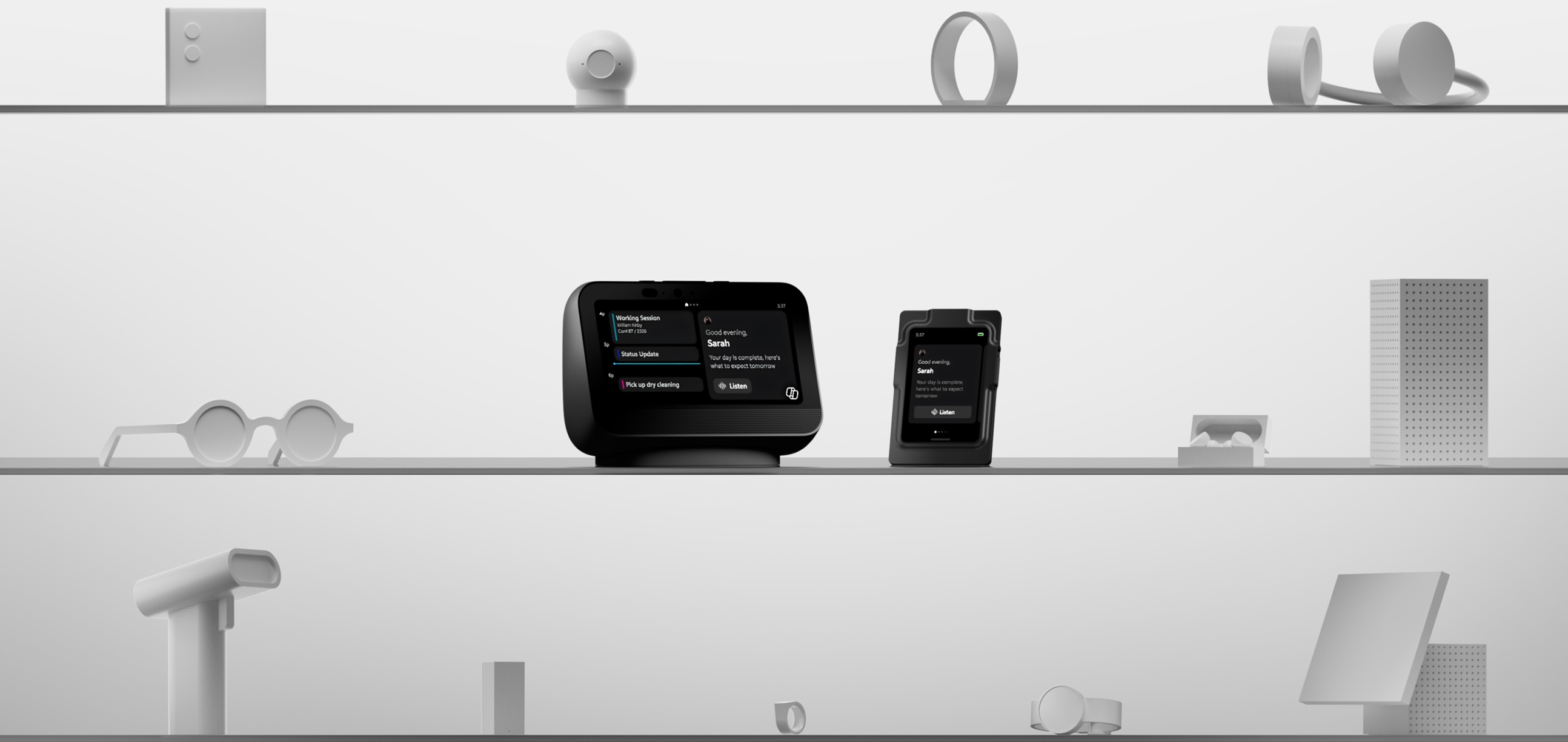
Project Solara devices arranged on a light studio shelf

Project Solara is Microsoft's agent-first device platform, announced at Build 2026. It's built on the premise that the next platform shift is from apps to agents — from opening software to expressing intent, with interfaces that adapt to the person, the device, and the moment.

As the lead designer from early incubation, I designed the platform's end-to-end experience: voice and multimodal interaction, adaptive and generative UI, and a framework that held across stationary, portable, and wearable devices. I built scenarios around trust, user control, and real workflows in healthcare, education, and knowledge work.
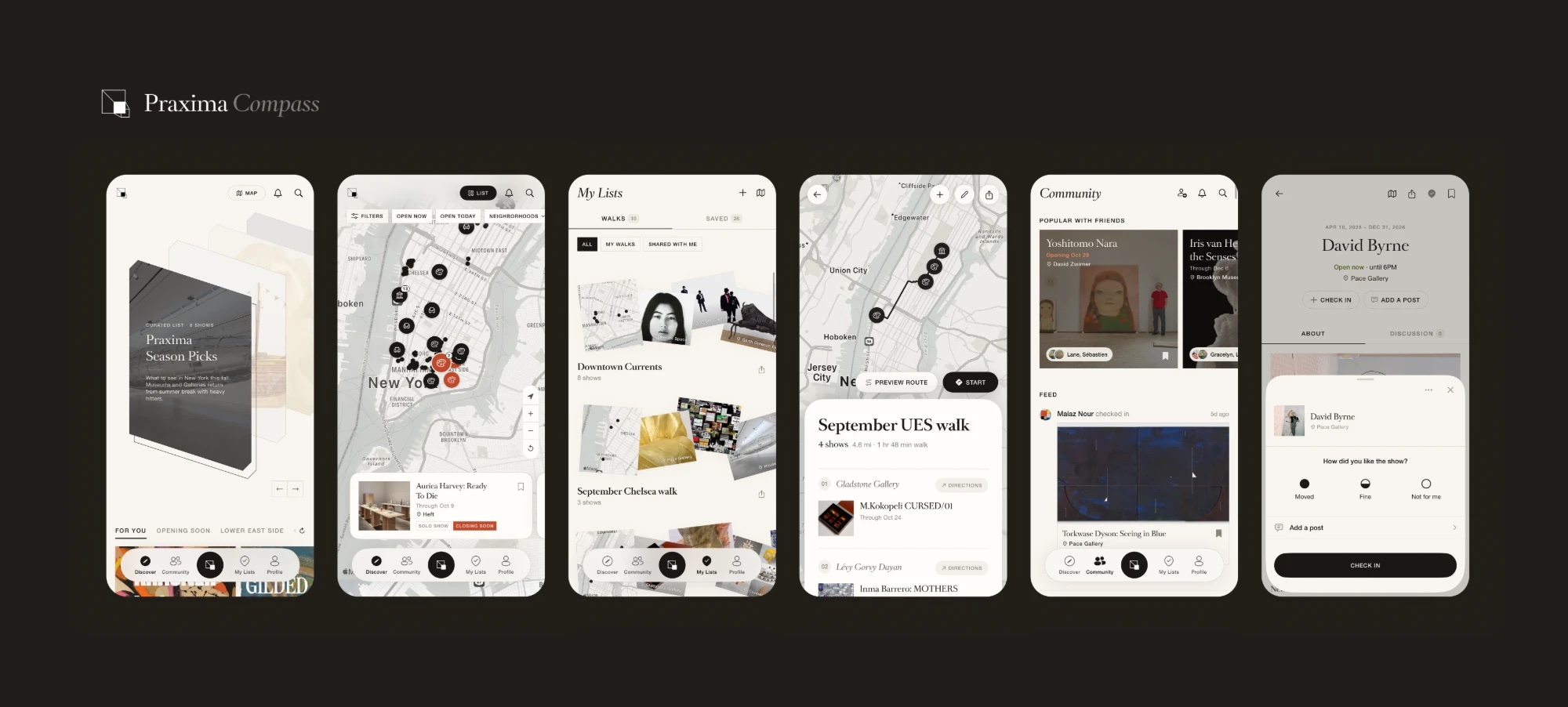
Praxima Compass running on an iPhone held in one hand

Praxima Compass is a gallery discovery and wayfinding app that helps art lovers navigate NYC's art world and connect around what they see. Now live in the App Store.

As the designer and frontend engineer, I owned the end-to-end experience from UX to implementation, spanning onboarding and discovery through check-ins, community notes, and social features.

I built agentic workflows that maintain the product's UX system — brand, design patterns, and production code — carrying it from first concept to launch.

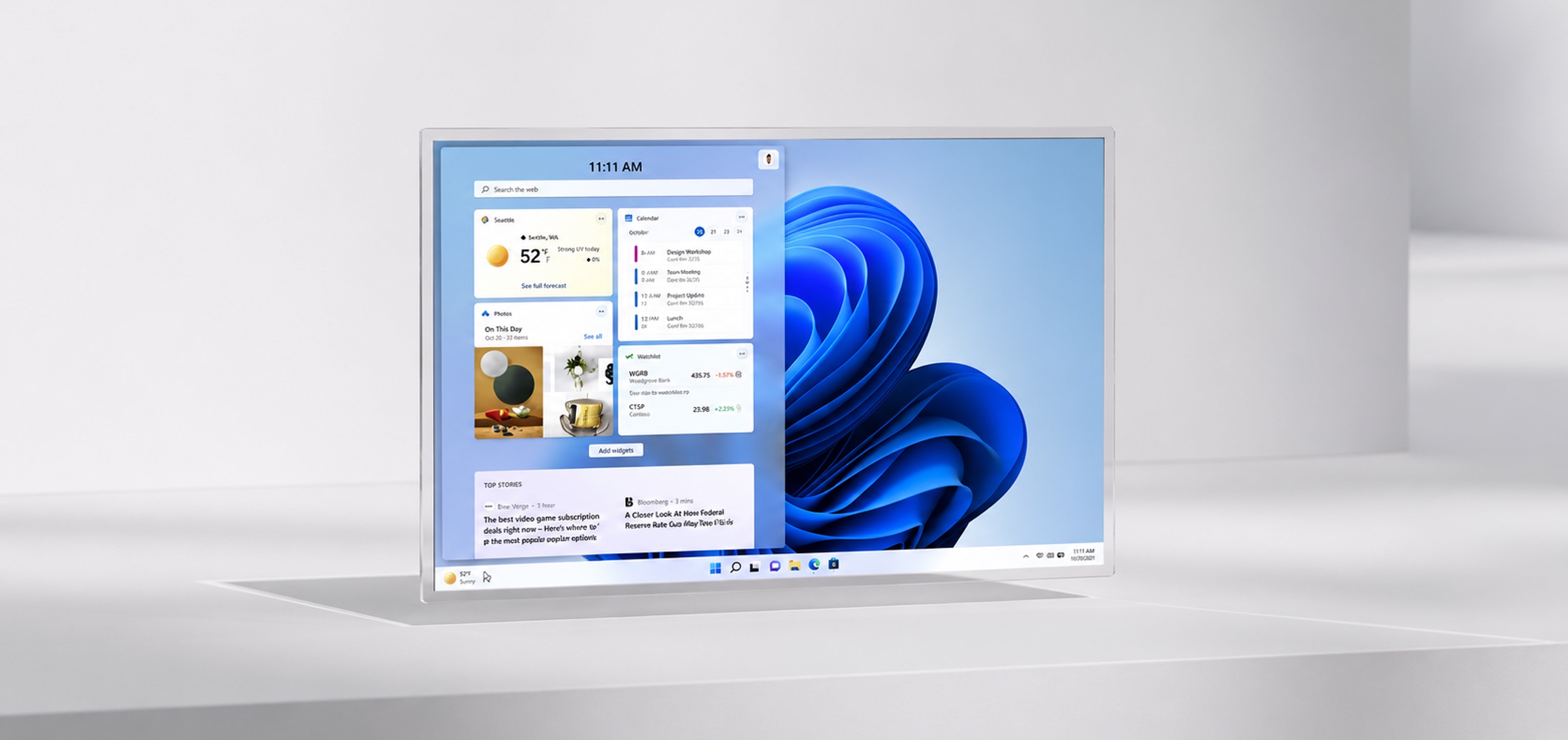
The Windows 11 Widgets board open on a laptop

Windows 11 Widgets

I co-led the design of Widgets for Windows 11, a personalized feed built into the taskbar and shipped to over a billion PCs. It gave people a glanceable surface for the quick checks that punctuate a day (weather, calendar, traffic) without pulling them into tabs or phone pickups. The design challenge was making an OS-level surface feel personal rather than promotional: a feed that earned its place by showing people what they'd have gone looking for anyway. I defined the value proposition and UX model, ran research to reconcile customer wants with business needs, and wrote the design specs that made widgets accessible and open to third-party developers.

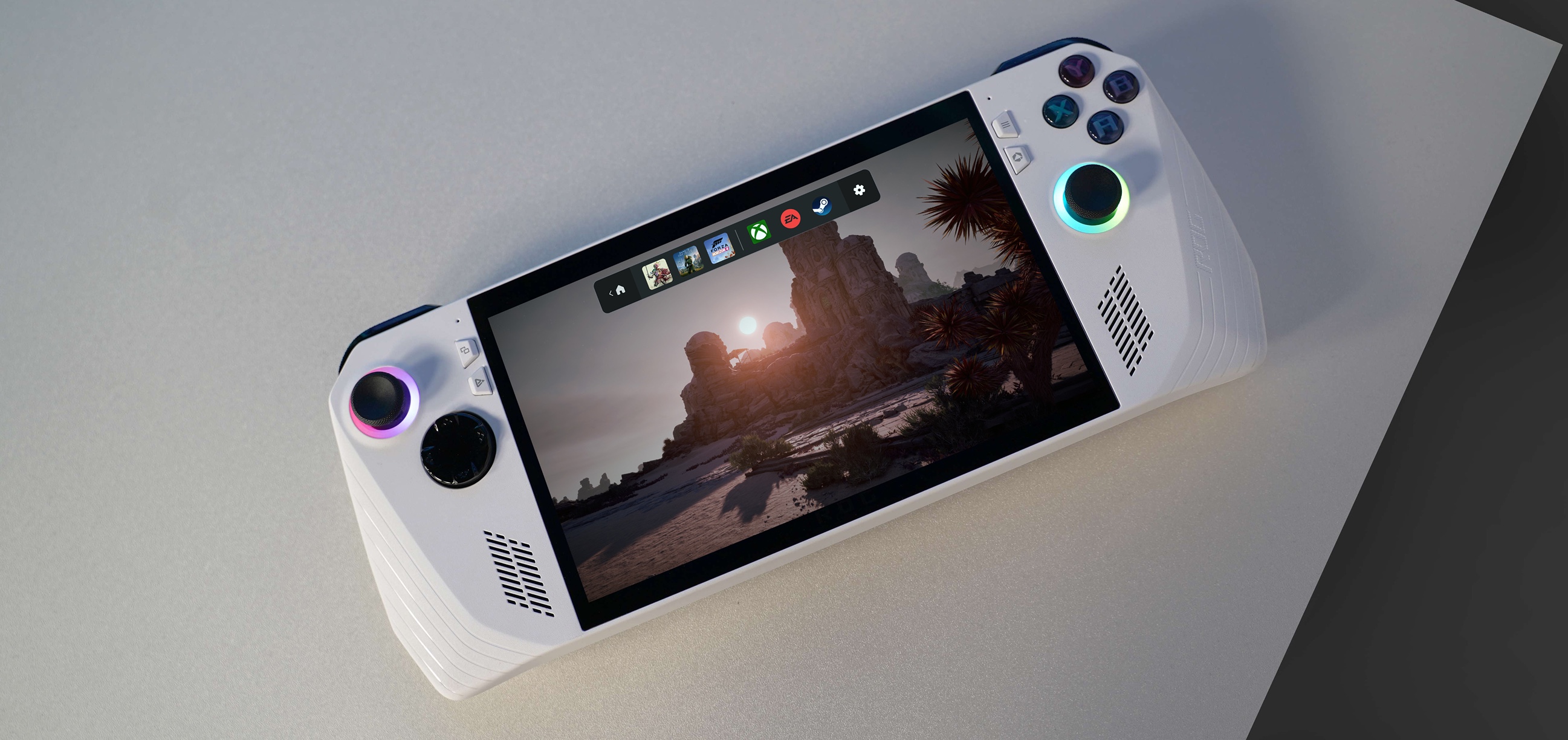
A Windows handheld gaming device running a game

I partnered with Xbox on a 9-month initiative to close the gap between Windows and modern PC gaming. I led end-to-end design for Controller Bar — a new Windows 11 surface that launches players directly into their games the moment a controller connects — taking it from customer problem definition through prototyping, two rounds of user research, accessibility specs, and 1:1 implementation work with engineers. Shipped to Windows Insiders in 2022.

In parallel, I led a handheld gaming design sprint exploring how Windows could adapt to play-first form factors, informing the platform's long-term cross-device strategy.

Totality Golf running on a phone resting on a mirror in grass and daisies

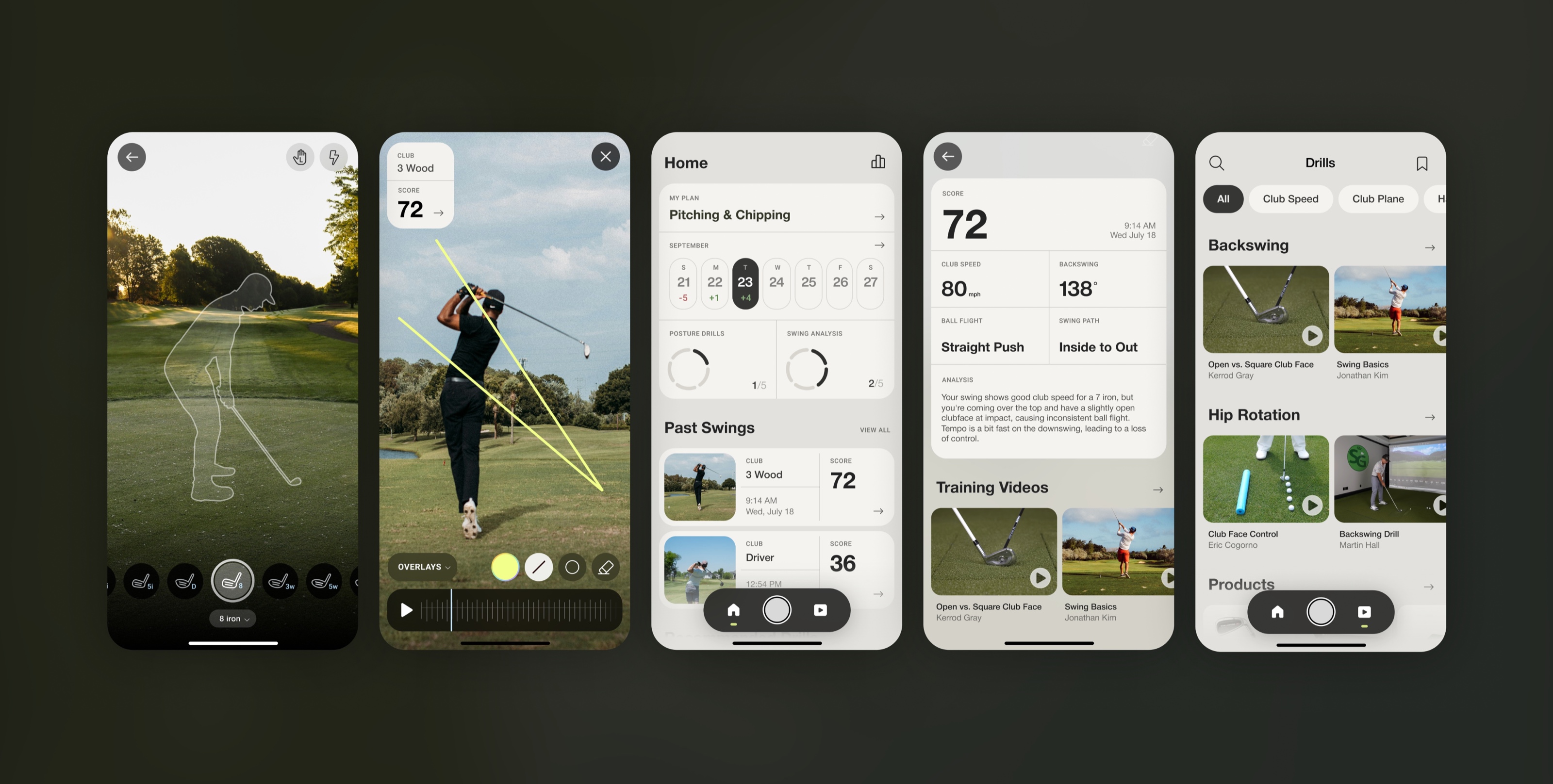
Totality Golf is a mobile app for recording, analyzing, and improving your golf swing without a coach. As a freelance designer in 2018, I designed it end to end — research, information architecture, flows, high-fidelity design, and production-ready specs.

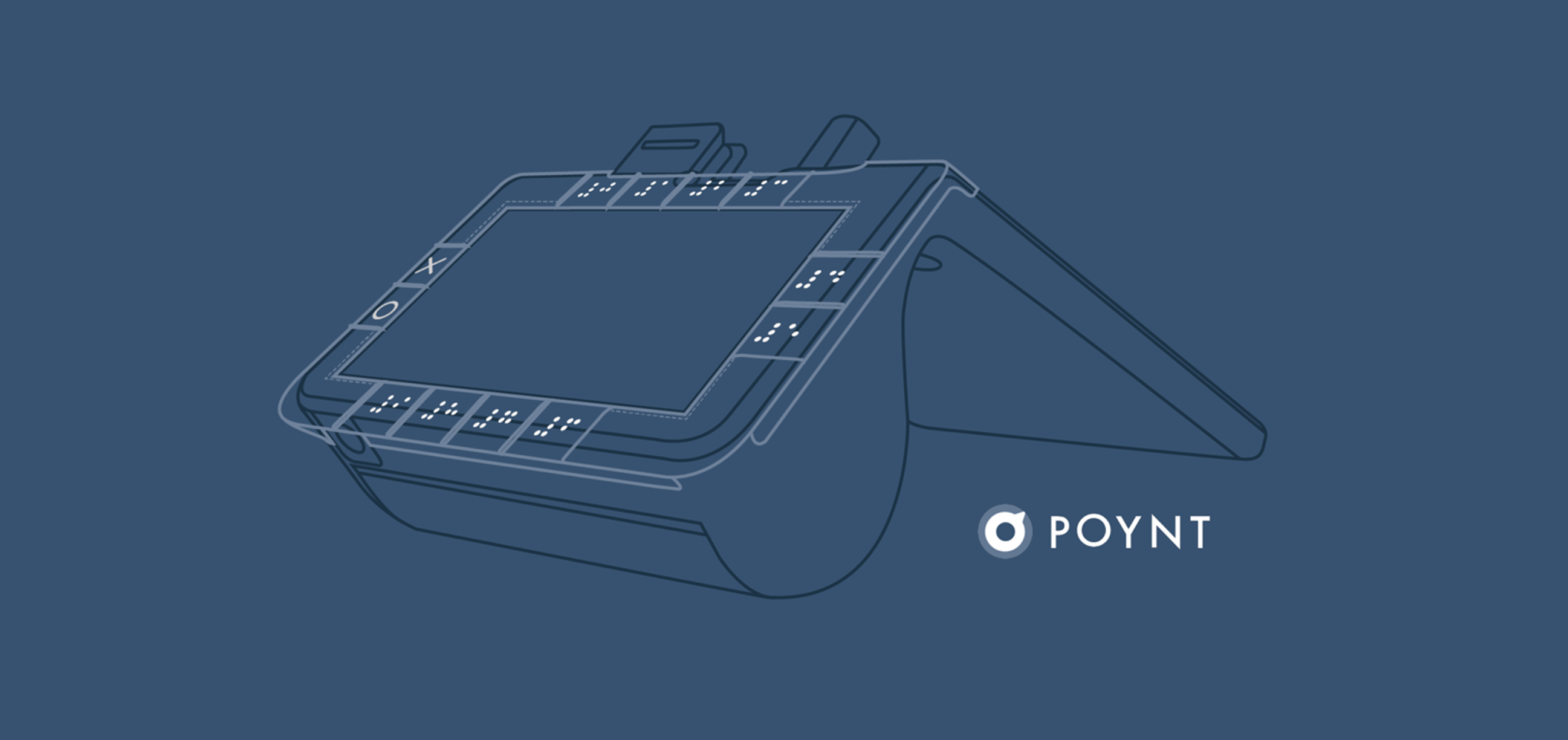
Line illustration of the Poynt point-of-sale terminal

Poynt builds smart point-of-sale terminals for businesses. During a 14-week internship, I designed a solution to make their touchscreen terminal accessible to blind and low-vision users, where standard PIN entry was impossible without tactile cues.

I led research with accessibility experts and visually impaired users, prototyped from cardboard through 3D printing, and designed two complementary solutions: a tactile Braille frame paired with a custom PIN interface, and a high-contrast keypad for low-vision users.

The design was patented, approved for production, and deployed across 50,000 terminals in Brazil.